


Understanding the psychological triggers behind gambling behavior
The Allure of Risk and Reward
The psychological triggers behind gambling behavior are deeply rooted in the concept of risk and reward. The thrill of potentially winning large sums of money can be intoxicating, as many gamblers experience an adrenaline rush when betting—this is enhanced by the Le Fisherman demo giving a taste of the excitement. This emotional high is a primary driver for individuals drawn to gambling, as they seek not only financial gain but also the euphoric sensations associated with risk-taking.
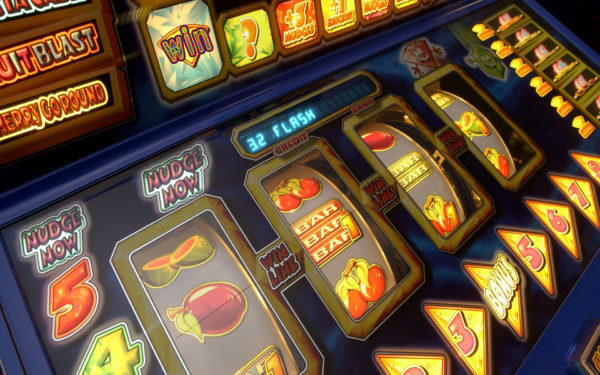
Moreover, the unpredictable nature of gambling can lead to a cycle of anticipation and excitement. This cycle is often reinforced by intermittent rewards, where small wins encourage continued play. Gamblers may find themselves caught in a loop, continually chasing that elusive jackpot, even when faced with losses. Understanding this dynamic is essential for grasping why many find it difficult to walk away.
The Role of Cognitive Biases
Cognitive biases significantly influence gambling behavior, leading individuals to misinterpret odds and overestimate their chances of winning. One common bias is the “gamblers’ fallacy,” where individuals believe that past events affect future outcomes, such as assuming a winning streak will continue. This irrational thinking can escalate gambling behavior, as players feel confident in their ability to predict outcomes.
Another cognitive bias is the illusion of control, where gamblers believe they can influence results through skill or strategy, despite the inherent randomness of most games. This belief can lead to increased betting and a false sense of security, making it challenging to recognize when it’s time to stop. Understanding these biases can help individuals become more aware of their thought patterns and the potential pitfalls of gambling.
The Impact of Environment and Social Influence
The environment in which gambling occurs plays a critical role in shaping behavior. For example, casinos are designed to create an immersive experience with bright lights, sounds, and a festive atmosphere that can heighten excitement. This sensory overload can lead to impulsive decisions, encouraging gamblers to stay longer and spend more money.
Social influences also play a significant role in gambling behavior. Friends or family who engage in gambling can normalize the activity and make it more appealing. Group dynamics can amplify the thrill and excitement, leading individuals to partake in gambling activities they might otherwise avoid. Recognizing these external factors is crucial for understanding the broader context of gambling behavior.
The Emotional Aspects of Gambling
Gambling is often intertwined with a range of emotions, from excitement and joy to anxiety and despair. The emotional highs associated with wins can be incredibly rewarding, while losses may evoke feelings of frustration or shame. This emotional rollercoaster can lead individuals to gamble as a form of escapism, seeking relief from stress or life challenges.
Furthermore, the social stigma associated with gambling can exacerbate feelings of isolation and guilt, making it difficult for individuals to seek help. Understanding the emotional triggers behind gambling behavior is essential for creating supportive environments that encourage open discussions about responsible gambling and mental health.
:max_bytes(150000):strip_icc()/GettyImages-108359653-57156e533df78c3fa2286c42.jpg)
Resources and Support for Responsible Gambling
For those seeking to understand gambling behavior better, resources are available to promote responsible gaming. Websites and organizations dedicated to gambling awareness provide tools and information to help individuals recognize unhealthy patterns and seek help if needed. These resources can offer educational materials about the psychological aspects of gambling, including tips for managing emotions and decision-making.
Additionally, support groups and counseling services are essential for individuals struggling with gambling addiction. They provide a safe space to share experiences and gain insight into the psychological triggers that may be influencing behavior. Understanding these triggers is the first step toward reclaiming control and fostering healthier habits in gambling activities.